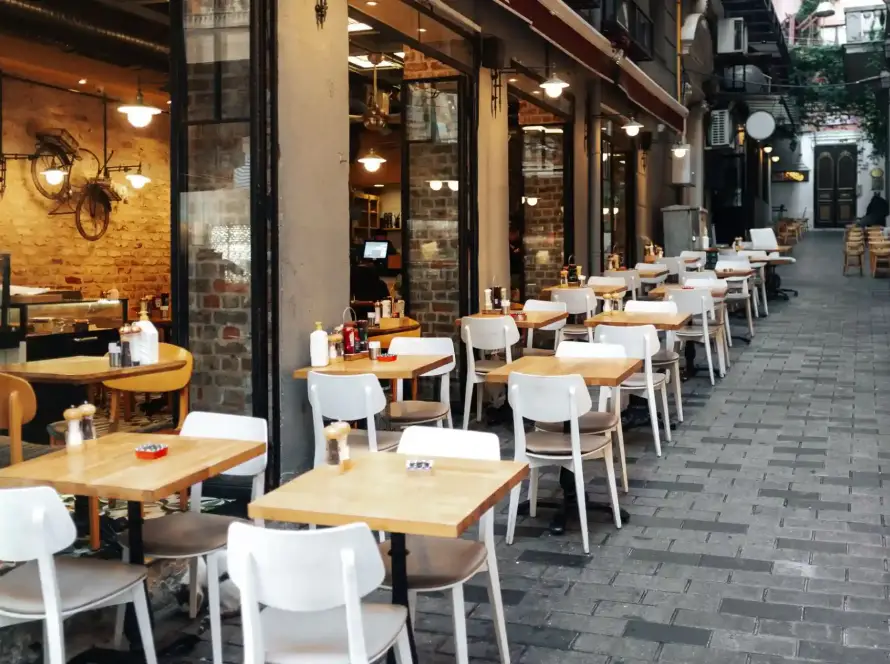
Eating out doesn’t have to be expensive. In fact, some of the best meals you’ll ever experience won’t come from the top-rated fine dining spots but from the small, local restaurants tucked into neighborhoods, side streets, and family-run shops. Budget dining isn’t just about saving money, it’s about discovering flavors, cultures, and experiences that big chains often can’t match.
In a world where food prices continue to rise and dining trends change constantly, knowing where and how to find affordable places to eat has become an essential skill. Cheap restaurants aren’t “cheap” because of low quality, they are often affordable because they operate simply, have small staff, rely on loyal local customers, or use family recipes that require fewer resources.
This handbook is designed to help budget diners, travelers, students, families, and curious food lovers find the best cheap local restaurants without sacrificing taste or quality. With the right approach, you can enjoy excellent meals while keeping your spending low, exploring new cuisines, and supporting small businesses at the same time.
Why Budget Dining Matters Today
Budget dining has become more important for three major reasons:
1. Rising Food Costs
Groceries, ingredients, and restaurant supplies continue to increase in price globally. Affordable dining options help people still enjoy meals without financial stress.
2. Supporting Small Businesses
Cheap local restaurants are often family-owned places that survive through community support. When you dine locally, you help small entrepreneurs thrive.
3. Better Cultural Experiences
Local joints offer authentic food, not mass-produced menus. You get richer flavors, cultural dishes, and home-style cooking you won’t find in big chains.
Budget dining is smart, meaningful, and surprisingly delicious.
How to Identify a Great Cheap Local Restaurant
Not every inexpensive restaurant is worth the visit. These signs help you spot gems worth returning to.
1. Consistent Flow of Local Customers
If locals love a place, that’s usually the strongest sign that the food is good. A steady line of regulars tells you the restaurant has:
-
Good pricing
-
Tasty food
-
Reliable service
-
Strong community reputation
Local approval is often more trustworthy than reviews.
2. Simple but Flavorful Menu
Great budget restaurants rarely have huge menus. Instead, they focus on a few dishes they do extremely well.
Signs of a strong simple menu:
-
Limited, focused choices
-
Authentic recipes
-
Seasonal ingredients
-
Clear specialization (no restaurant should try to make everything)
Good cheap restaurants invest in taste, not elaborate menus.
3. Signs of Fresh Cooking
Even inexpensive restaurants can use fresh ingredients. Look for:
-
Fresh smells when you enter
-
Visible cooking stations
-
Dishes coming out hot and quickly
-
Real ingredients instead of frozen, pre-made meals
Freshness matters more than fancy presentation.
4. Clean, Organized Environment
A low-cost restaurant can still be clean. Look for:
-
Wiped tables
-
Organized counters
-
Staff wearing gloves or hairnets
-
Clean floor and visible kitchen space
A tidy environment shows pride and professionalism.
Types of Cheap Local Restaurants Worth Exploring
Budget dining comes in many forms. These categories offer some of the best local food experiences.
1. Family-Owned Diners
Family diners often serve:
-
Breakfast specials
-
Hearty lunches
-
Comfort food
-
Homemade desserts
Prices are usually low because recipes come from generations of family cooking.
2. Hole-in-the-Wall Eats
These places may look simple on the outside but often surprise diners with bold, incredible flavors. They’re small, cozy, and often unforgettable.
3. Street Food Stalls
Street food offers some of the best cheap eats anywhere. Vendors specialize in just a few dishes, perfecting them over years.
Expect:
-
Fast service
-
Fresh cooking
-
Cultural authenticity
4. Ethnic Restaurants
Local ethnic spots, run by immigrant families, offer rich flavors and affordable meals, often using traditional recipes passed down over time.
Examples include:
-
Mexican taquerias
-
Indian dhabas
-
Middle Eastern kebab shops
-
Chinese noodle houses
-
Caribbean takeaways
Food is typically authentic, filling, and inexpensive.
5. Lunch-Only Restaurants
Some of the cheapest places operate only during lunch hours. They focus on high turnover and offer great deals like:
-
Lunch combos
-
Daily specials
-
Soup and sandwich deals
These spots are ideal for budget-friendly meals.
Tips for Finding Cheap Local Restaurants Anywhere
Here are simple strategies to discover great affordable food no matter where you are.
1. Walk Beyond Main Streets
Tourist-heavy areas often have higher prices. The best cheap restaurants usually sit:
-
On side streets
-
In residential neighborhoods
-
Near markets
-
Close to bus stops or schools
A short walk can save you money and lead to great discoveries.
2. Ask Local Residents
Locals know the best budget-friendly places. Ask:
-
Taxi drivers
-
Shop owners
-
Students
-
Market vendors
Their recommendations are often more honest than online reviews.
3. Check Social Media and Food Groups
Platforms like:
-
Facebook groups
-
Reddit communities
-
TikTok food creators
-
Regional food blogs
often highlight small restaurants overlooked by mainstream lists.
4. Look for Lunch Specials
Restaurants often drop prices during lunch to attract customers.
Good deals include:
-
Combo meals
-
Half-price specials
-
Shared plates
Lunch specials help you try new restaurants without overspending.
5. Try Authentic Cuisine Spots Instead of Trendy Ones
Trendy places charge for décor and aesthetics. Authentic local restaurants charge for the food.
Choose taste over aesthetics.
How to Eat Cheap Without Compromising Quality
Budget dining shouldn’t feel like “settling.” Here are ways to enjoy great meals without overspending.
1. Order the Local Favorites
Ask staff what sells the most. Popular dishes usually:
-
Have the freshest ingredients
-
Are cooked throughout the day
-
Represent the restaurant’s specialty
2. Share Larger Portions
Some restaurants serve dishes large enough for two people. Sharing saves money without sacrificing variety.
3. Skip the Extras
You can keep your bill low by avoiding:
-
Soft drinks
-
Upsized portions
-
Extra sides
-
Desserts
Stick to the main dish when on a tight budget.
4. Choose Restaurants With Set Menus
Set menus or combos often cost less than ordering à la carte.
5. Go for Takeout Instead of Dine-In
Some restaurants charge extra for dine-in service. Takeout is often cheaper and just as delicious.
Why Cheap Local Restaurants Are Often Better Than Chains
Many people expect chain restaurants to be more reliable, but local cheap restaurants have advantages that chains can’t replicate:
-
Food is freshly prepared
-
Recipes are unique
-
Prices stay low without heavy marketing costs
-
Dishes are rooted in culture and tradition
-
Meals feel more personal
Cheap local restaurants focus on flavor, not branding.
FAQs
1. How do I tell if a cheap restaurant is truly good or just inexpensive?
A good cheap restaurant has consistent customers, fresh food smells, a simple but focused menu, and clean preparation areas. Price alone doesn’t determine quality. Look at how busy the place gets at meal times, steady crowds are usually the best indicator of great food and reliable service.
2. Are hole-in-the-wall restaurants safe to eat at?
Most hole-in-the-wall restaurants are safe and offer excellent meals, but it’s important to check basic cleanliness. Observe how the staff handles food, check the tables and counters, and look for fresh ingredients. If locals frequent the place, it’s usually a positive sign that the food is both safe and delicious.
3. What’s the best strategy for finding cheap restaurants while traveling?
Avoid tourist-heavy streets and explore surrounding neighborhoods. Ask locals for personal recommendations, check social media food groups, and look for busy spots during meal times. Street food markets and family-owned diners are especially good choices when traveling on a budget and wanting authentic flavors.
4. Why are ethnic restaurants often more affordable?
Ethnic restaurants tend to use traditional cooking methods, family recipes, and simple ingredients. Many also operate with smaller staff and lower overhead. This allows them to offer flavorful, filling meals at lower prices. Their focus is on community and authenticity rather than trendy décor, keeping costs accessible.
Conclusion
Budget dining is not about cutting corners, it’s about discovering the heart of a community through its food. Cheap local restaurants offer an honest, satisfying culinary experience where flavor, tradition, and culture come first. Whether it’s a small family-run café, a food stall, or a hidden neighborhood eatery, the best budget restaurants combine authenticity with affordability.
By exploring beyond the main streets, asking locals, and keeping an open mind, you can enjoy delicious meals without spending much. These restaurants remind us that great food doesn’t need to be expensive. With a bit of curiosity and the right approach, you can uncover unforgettable flavors while supporting the people who bring their passion to every plate.