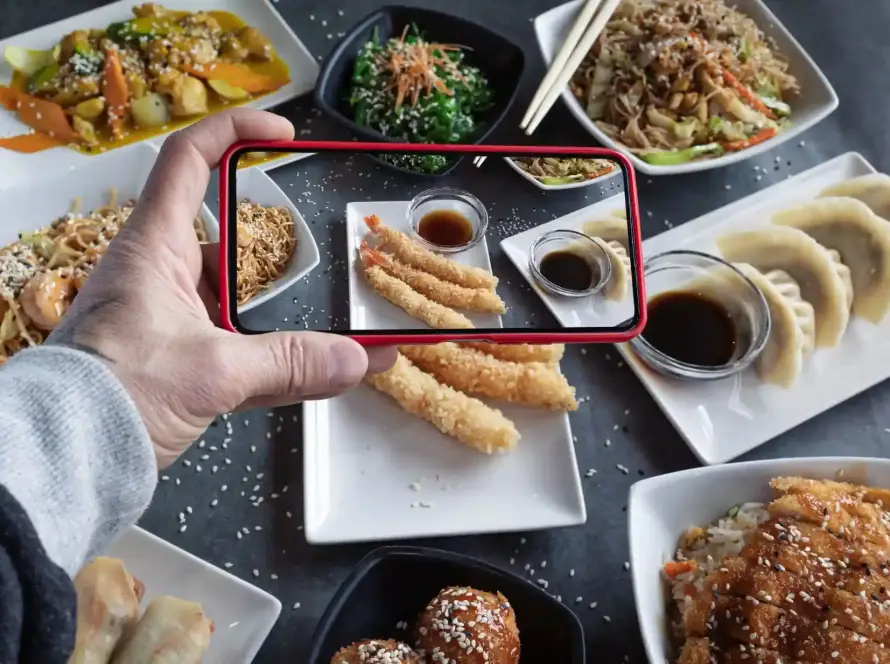
The dining world has changed dramatically over the last few years. Prices for groceries, ingredients, labor, and utilities continue to rise, and restaurants everywhere have had to adjust. But in the middle of all these economic challenges, cheap local restaurants remain an essential part of communities. They provide affordable meals, cultural comfort, and a sense of belonging that big chains or high-end restaurants often cannot match.
But what exactly defines a “cheap local restaurant” today? With rising costs, the word “cheap” doesn’t always mean what it used to. For many diners, a cheap restaurant is not only about low prices, it’s about value, authenticity, and consistency. It’s about the type of meal you can enjoy without feeling financially stressed. It’s about supporting small businesses that invest in their neighborhoods. And it’s about understanding how the modern dining economy shapes what restaurants can offer.
This guide explores what cheap local restaurants are today, how they operate, why they matter, and what makes them different in a rapidly changing food industry.
Understanding What “Cheap” Really Means Today
In past decades, “cheap restaurants” were simply places with noticeably lower prices. Today, the idea of “cheap” has shifted because everything, from ingredients to rent, costs more. So the modern definition focuses more on value rather than just price.
A cheap local restaurant in today’s economy usually has these qualities:
1. Affordable Meals Compared to Average Local Prices
Instead of costing “as little as possible,” cheap restaurants now aim to stay below the average price range in their area. What counts as affordable varies depending on the city, but the goal is consistent: offer meals that people can enjoy regularly.
2. Simple, Honest Cooking
Cheap restaurants don’t use gimmicks. They rely on straightforward recipes, fresh ingredients, and reliable flavors. The simplicity keeps both costs and prices fair.
3. Community Accessibility
These restaurants often exist to serve their neighborhoods first. They are places where families, workers, students, and everyday locals can eat without straining their budgets.
4. Smaller Teams and Lower Overhead
Cheap restaurants typically operate with fewer staff members, smaller spaces, and efficient operations. This helps keep prices down.
5. Consistent Quality Over Fancy Presentation
You won’t find elaborate plating or gourmet-level décor. Cheap local restaurants prioritize taste, comfort, and value.
Affordable today doesn’t mean “cheap and low-quality.” It means reasonably priced for the current economy.
Characteristics of Cheap Local Restaurants in Today’s Dining Landscape
To understand these restaurants clearly, here are the defining features that separate them from larger chains or upscale dining options.
1. Modest but Meaningful Pricing
Cheap restaurants usually price their meals based on:
-
Ingredient accessibility
-
Local economic conditions
-
Portion size
-
Loyalty of returning customers
-
Operational costs
A typical cheap restaurant aims to provide enough food to satisfy customers at a price they’re comfortable paying multiple times a week, not just once in a while.
2. Strong Community Roots
Most cheap local restaurants stay open because the community supports them. They often:
-
Serve regular customers
-
Know people by name
-
Offer familiar dishes
-
Reflect the neighborhood’s culture
These places feel personal. They’re not trying to be trendy, they’re trying to be reliable.
3. Family-Owned or Independently Owned
Many budget-friendly restaurants are owned by families or individuals, not corporations. This gives them:
-
Freedom to keep menus simple
-
Control over pricing
-
Flexibility with ingredients
-
Ability to maintain authentic recipes
Family ownership also keeps the atmosphere warm and trustworthy.
4. Limited Menus With Strong Focus
Cheap restaurants avoid overly large menus because more ingredients mean more cost. Instead, they specialize.
Typical signs include:
-
A few signature dishes
-
Consistent flavor
-
Recipes passed down over generations
These restaurants focus on what they do best.
5. High Value Without Fancy Features
Cheap local restaurants rarely invest heavily in décor, marketing campaigns, or updated interior design. They invest in:
-
Flavor
-
Freshness
-
Speed
-
Good portions
-
Friendly service
Their priority is feeding people, not impressing with aesthetics.
6. Efficient Purchasing and Low Waste
To stay affordable, cheap restaurants usually:
-
Buy ingredients in bulk
-
Use simple, versatile items
-
Minimize food waste
-
Prepare food fresh daily
This smart management keeps costs reasonable for customers.
Why Cheap Local Restaurants Are Still Important Today
Even as luxury dining grows, and food delivery apps dominate, cheap local restaurants continue to play a crucial role in daily life.
1. They Provide Accessible Food Options for All
Not everyone can afford higher-end dining. Cheap restaurants offer affordable meals for:
-
Students
-
Low-income families
-
Busy workers
-
Retirees
-
Budget-conscious diners
They ensure everyone has access to freshly cooked, hearty meals.
2. They Preserve Cultural Identity
Cheap local restaurants often represent specific cultural heritages. They bring diversity, tradition, and comfort to communities. These spots keep cultural food alive and accessible.
3. They Support Local Economies
Affordable restaurants create jobs, buy from local suppliers, attract nearby foot traffic, and keep neighborhoods active.
4. They Offer Unique Flavors and Authenticity
Cheap restaurants don’t rely on stylish marketing—they rely on flavor. They serve food made from real recipes, not corporate formulas.
5. They Are Often More Sustainable
Smaller-scale operations often waste less food and use fewer resources than large dining establishments.
The Economics Behind Why These Restaurants Stay Cheap
Cheap restaurants stay budget-friendly because they understand cost control. Here are key reasons:
1. Smaller Spaces Mean Lower Rent
Many operate in modest buildings or family properties.
2. Fewer Staff Members
Owners often work in the kitchen themselves, reducing labor costs.
3. Limited Advertising
Word of mouth and local loyalty are stronger than paid promotions.
4. Basic Décor and Setup
No expensive renovations or unnecessary frills.
5. Efficient Ingredient Usage
A small menu allows smart inventory planning.
Together, these factors help them keep prices consumer-friendly.
How Diners Can Identify True Value in a “Cheap” Restaurant
Today’s economy can make it tricky to know what counts as real value. Here are ways to determine if a cheap restaurant is genuinely worth it.
Look for:
-
Fresh, hot meals
-
Flavorful cooking
-
Consistent portion sizes
-
Transparent pricing
-
Clean environment
-
Regular customers
-
Friendly staff
If a place checks most of these boxes, it’s offering real value, not just low prices.
FAQs
1. Are cheap local restaurants still reliable with rising ingredient costs?
Many cheap restaurants stay reliable because they manage costs wisely. They often rely on smaller menus, bulk ingredients, and simple recipes that reduce waste. Even when prices increase slightly, they still remain affordable compared to larger restaurants. Their goal is consistency, not dramatic price jumps, so customers keep returning.
2. Why do cheap restaurants often taste better than expensive places?
Cheap restaurants focus on flavor instead of presentation or décor. Their recipes come from years of experience and cultural tradition. Because their customers return for taste rather than trendiness, these restaurants keep their cooking honest and authentic. Simplicity, fresh seasoning, and daily preparation often create richer flavors.
3. Is it normal for cheap restaurants to raise prices today?
Yes. Due to inflation, supplies, rent, and utilities, price increases are common. But even with increases, these restaurants aim to remain budget-friendly compared to their competitors. A slight rise doesn’t remove them from the “cheap” category, it simply reflects the reality of today’s dining economy while maintaining value.
4. How can I tell if a cheap restaurant is using quality ingredients?
Look for signs like fresh smells, hot food, visible cooking stations, and dishes made to order. You may also notice frequent deliveries from local suppliers. If the restaurant stays consistently busy, that’s often a strong indicator that the food is fresh and trusted by the community.
Final Thoughts
Cheap local restaurants are a vital part of today’s dining economy. They bridge the gap between rising food costs and the public’s need for affordable, filling, and flavorful meals. Despite operating with tight margins, these restaurants deliver real value by focusing on authenticity, consistency, and community. They thrive because they prioritize what matters most, good food at a fair price.
Even as the dining world shifts, cheap local restaurants remain steady, meaningful anchors in their neighborhoods. They offer comfort, culture, and connection through meals that feel honest and reliable. In an economy full of uncertainty, these establishments remind us that great food doesn’t need to be expensive, it only needs care, skill, and heart.