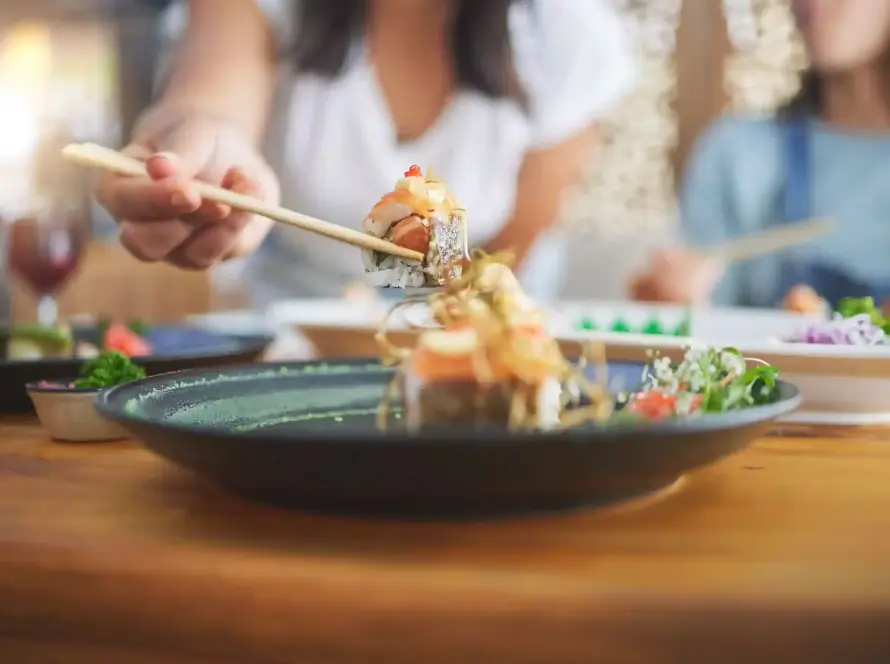
Food is one of the most universal ways to explore the world. It connects you to culture, history, tradition, and human stories in a way that sightseeing alone never can. While famous restaurants attract international attention, the real magic often lies in local markets, tucked-away eateries, neighborhood kitchens, and small restaurants where generations have cooked with passion. These are the places food lovers dream of discovering, the world’s true culinary treasures.
Creating your own “global foodie map” isn’t simply about listing famous restaurants; it’s about understanding how to find authentic food experiences anywhere on Earth. Whether you’re traveling across continents or exploring your own city, knowing how to navigate the culinary world helps you enjoy richer, more meaningful meals. Food becomes more than sustenance, it becomes a journey.
This guide teaches you how to locate the world’s best spots, understand cultural flavors, explore different regions, and enjoy global cuisine with curiosity and confidence.
Understanding the Global Foodie Map
A global foodie map represents the diverse culinary landscape across countries, cultures, and continents. It includes:
-
Street food stalls with unforgettable flavors
-
Local family restaurants
-
Night markets buzzing with life
-
Regional food festivals
-
Cultural kitchens and traditional recipes
-
Modern dining spots that blend innovation with authenticity
Building a global foodie map is about recognizing how food reflects identity, community, and heritage.
How to Locate the Best Food Spots Globally
Finding great food across the world requires more than searching popular lists. Here are strategies seasoned travelers and global foodies rely on.
1. Follow the Locals, Not the Tourists
Tourist-heavy restaurants often adjust their flavors to appeal to a broad audience. Locals know where the best, most authentic food is found.
Look for:
-
Busy lunchtime crowds filled with locals
-
Neighborhood restaurants far from tourist attractions
-
Long lines at small, simple eateries
Local approval surpasses online ratings.
2. Explore Traditional Food Markets
Markets are the heart of a region’s food culture. They offer:
-
Fresh ingredients
-
Hand-made snacks
-
Local specialties
-
Unique beverages
-
Street-side cooking demonstrations
Markets give you raw insight into the daily life of a culture.
3. Talk to Drivers, Shopkeepers, and Residents
People who live and work in a city know its best culinary secrets. Ask them:
-
“Where do you eat on your lunch break?”
-
“What’s the best local dish I must try?”
Their recommendations often lead you to unforgettable spots.
4. Research Regional Food Traditions Before Traveling
Understanding a region’s signature dishes helps you identify authentic spots faster.
For example:
-
What ingredients does the culture use most?
-
Which dishes are native to the region?
-
What is the food history or cooking style?
The more you know, the more intentional your search becomes.
5. Use Social Media Smartly
Food creators often showcase hidden gems, not mainstream chains.
Platforms to check:
-
Food-focused TikTok accounts
-
Instagram travel and food reels
-
Reddit local food groups
-
YouTube travel food channels
These platforms highlight real local flavors through honest reviews and street experiences.
6. Step Off the Main Streets
Some of the best restaurants sit on:
-
Side alleys
-
Backroads
-
Near schools and offices
-
Residential blocks
Great food rarely sits in the obvious locations.
Exploring Global Food Regions
To build a complete foodie map, it helps to understand how different regions express culture through food. Each region carries distinct flavors and traditions.
1. Asian Food Destinations
Asia is a powerhouse of culinary diversity. From smoky street stalls to delicate fine dining, the continent offers bold flavor, history, and creativity.
Popular culinary highlights:
-
Rice, noodles, spices, broths
-
Bold flavors like sweet-spicy, salty-umami
-
Wok cooking and grilling
-
Night markets full of vibrant street food
Asia’s food culture thrives on freshness, tradition, and sensory intensity.
2. European Food Destinations
Europe’s cuisine blends centuries of tradition with regional specialties. From hearty northern dishes to Mediterranean freshness, each area tells its own story.
Key characteristics:
-
Slow cooking traditions
-
Rich sauces and comforting flavors
-
Fresh herbs, cheeses, breads
-
Emphasis on seasonal ingredients
Europe offers depth and refinement in every meal.
3. Middle Eastern and North African Food Destinations
This region offers some of the most aromatic and spice-rich dishes in the world. Recipes reflect hospitality and communal dining.
Culinary traits:
-
Warm spices like cumin, coriander, saffron
-
Slow-cooked meats
-
Grains, legumes, fresh herbs
-
Shared plates and food rituals
The cuisine is bold, comforting, and generous.
4. African Food Regions
Africa’s cuisine varies widely across countries, offering powerful flavors rooted in tradition.
Common elements:
-
Grilled meats
-
Spiced stews
-
Root vegetables and grains
-
Deep cultural storytelling in every dish
African meals emphasize richness, warmth, and community.
5. North, Central, and South American Food Regions
America’s food landscape is diverse, blending indigenous roots with modern influences.
Famous characteristics:
-
Bold spices
-
Sweet-savory combinations
-
Fresh produce
-
Indigenous, African, and European fusion
Each country offers its own palette of rich flavors.
How to Enjoy Global Food Like a True Foodie
To fully enjoy global cuisine, embrace curiosity.
1. Try Signature Dishes First
Every region has a “must-try” dish that represents its culinary identity. Start there to understand its flavor principles.
2. Be Willing to Try the Unexpected
Hidden gems often serve dishes unfamiliar to tourists. Being open expands your food experience.
3. Ask About the Story Behind the Dish
Food is history. Learning the story makes the meal more meaningful.
4. Respect Local Dining Customs
Each culture has its own etiquette. Following it shows respect and enhances your dining experience.
5. Travel With Your Senses
Taste is important, but sight, smell, sound, and touch also shape the experience. Enjoy the entire atmosphere.
Finding Hidden Foodie Spots in Every Country
No matter where you go, some universal strategies help uncover excellent spots.
1. Look for Small, Family-Owned Restaurants
They cook with love, history, and pride, and often serve the best food.
2. Explore Neighborhoods Outside the City Center
Authentic food lives where locals eat everyday meals, not tourist zones.
3. Attend Local Festivals or Street Events
Festivals showcase traditional dishes in their purest form.
4. Follow the Aroma
Many hidden gems announce themselves through irresistible smells drifting into the street.
5. Pay Attention to the Crowd
If a place is filled with locals from different age groups, it’s likely fantastic.
Frequently Asked Questions
1. How do I avoid tourist traps when exploring global food spots?
Stay away from restaurants located directly near major attractions. Tourist traps often focus on convenience, not authenticity. Instead, explore side streets or residential neighborhoods, ask locals for suggestions, and observe where residents eat daily. Crowds of locals, simple décor, and focused menus usually signal authentic, trustworthy dining.
2. Is it safe to eat street food while traveling internationally?
Yes, as long as you choose vendors with good hygiene. Look for stalls with high customer turnover, freshly cooked food, and clean equipment. Avoid items that sit out too long, and trust your senses. Street food is often some of the most delicious and authentic cuisine you’ll find when traveling.
3. How do I discover food spots that aren’t featured online?
The best method is personal exploration. Walk through markets, visit local neighborhoods, observe where residents eat, and talk to shopkeepers or taxi drivers. Offline suggestions often lead to the most authentic spots. You can also follow crowds heading into small eateries or food stalls that seem consistently busy.
4. What’s the best way to build my own global foodie map?
Start by documenting every memorable spot you visit, small restaurants, unique street foods, hidden markets, and dishes you love. Add notes on flavors, atmosphere, and what made each place special. Over time, this personal map becomes a travel guide filled with your own discoveries rather than generic lists.
Final Thoughts
Exploring global food is one of the most rewarding ways to understand the world. From crowded street markets to quiet neighborhood eateries, food becomes a window into tradition, family history, and cultural pride. Each hidden gem restaurant offers a story, and each dish reveals something meaningful about the people who create it. When you build your own global foodie map, you collect far more than meals, you collect memories.
The more you embrace curiosity, step off the main paths, and follow the guidance of locals, the richer your food journey becomes. Great dining experiences don’t need to come from famous restaurants. They come from authentic flavors, warm hospitality, and the joy of discovering something unexpected. Let your global foodie map guide you toward experiences that stay with you forever.