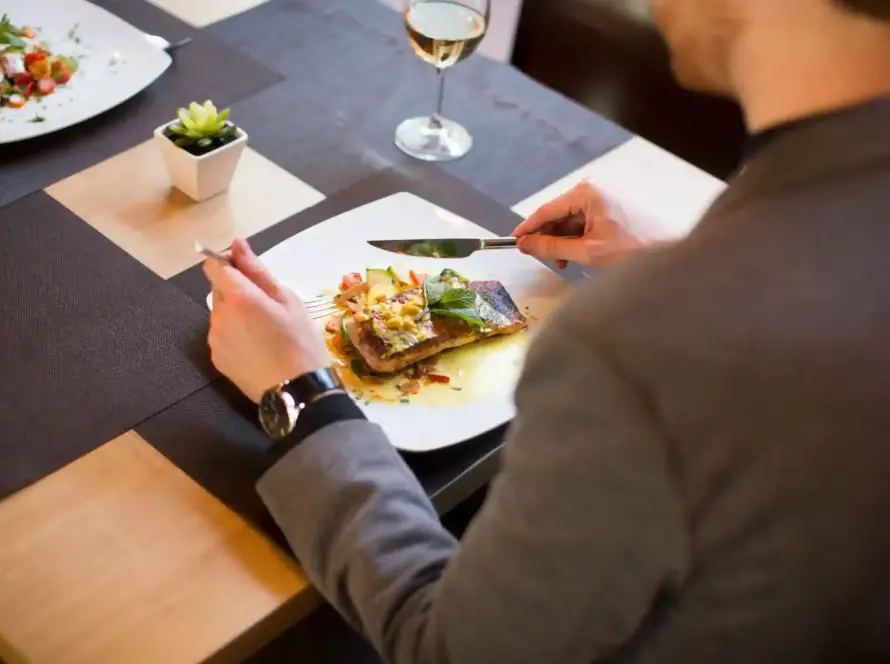
As dining becomes increasingly relaxed and informal, many people wonder whether traditional restaurant etiquette still matters. With the rise of fast-casual restaurants, food delivery apps, outdoor dining, and multicultural food experiences, the strict rules of past decades seem to have softened. Yet, even as dining culture evolves, etiquette remains important, not in an old-fashioned or overly rigid way, but in a modern, practical sense.
Etiquette today is less about following strict rules and more about showing respect, awareness, and social consideration while eating out. The expectation has shifted from memorizing complex formalities to simply being mindful of those around you and appreciating the effort of restaurant staff. Even in the most casual environments, good manners can transform your meal from ordinary to enjoyable.
So, does etiquette still matter? Absolutely, just in a refreshed, flexible way that fits modern lifestyles. This guide explores how restaurant etiquette has changed, why it still holds value, and how to apply it naturally in today’s casual dining scene.
How Dining Culture Became More Casual
Over the last 20 years, eating out has changed dramatically. Where people once dressed up for dinner, made reservations days in advance, and followed traditional table rules, today’s diners often wear casual clothing, order with apps, or enjoy meals in relaxed, informal settings.
Several cultural shifts contributed to this:
1. Fast-Casual Restaurant Boom
Places where you order at the counter and serve yourself have made dining simpler and more relaxed.
2. Technology-Based Service
QR menus, online reservations, contactless payments, and food delivery apps have influenced how people interact in restaurants.
3. Diverse Cultural Dining Experiences
Street food, food trucks, global cuisines, and fusion restaurants create settings where people feel free to be themselves.
4. Younger Generations’ Dining Preferences
Gen Z and millennials lean toward comfort, authenticity, and connection over formality.
5. Blending of Work and Social Life
People now eat out during work breaks, study sessions, or informal meetings, reducing the need for strict dining rules.
Despite these changes, etiquette remains relevant, because it’s fundamentally about respect.
Why Restaurant Etiquette Still Matters Today
Even in casual restaurants, etiquette makes the dining experience smoother for everyone. Etiquette today isn’t about using the correct fork or sitting posture, it’s about creating a comfortable environment.
1. Respecting the Staff
Restaurant workers manage orders, serve customers, and maintain the dining space. Etiquette shows appreciation for their effort. Kindness toward staff makes service smoother and enhances your experience.
2. Being Mindful of Other Guests
Even in informal environments, people deserve a peaceful dining experience. Etiquette helps prevent behaviors like loud talking, blocking walkways, or disrupting others.
3. Enjoying Social Comfort
Knowing basic manners reduces awkwardness. Whether you’re on a date, with colleagues, or among friends, etiquette helps you navigate meals more confidently.
4. Adapting to Different Environments
Every restaurant, casual or formal, has its own rhythm. Etiquette allows you to fit in easily, showing you understand the space.
5. Navigating Cultural Differences
As global dining becomes more common, etiquette helps you avoid misunderstandings and show respect for cultural traditions.
The New Rules of Modern Restaurant Etiquette
Today’s etiquette is more practical and relaxed. The goal is comfort, not perfection.
1. Phone Etiquette
Phones are part of everyday life, but balance is key.
-
Avoid taking calls at the table.
-
Keep your phone on silent.
-
Use quick photos, not long photo sessions.
-
Stay present with your dining companions.
Moderation is the modern rule.
2. Ordering Etiquette
Be polite and decisive when ordering. Don’t snap your fingers at staff, wave aggressively, or rush them. Instead, make eye contact or simply say “excuse me.”
If you’re unsure about a dish, it’s fine to ask questions. Modern etiquette supports curiosity.
3. Conversation Etiquette
Dining is social, but respectful conversation matters:
-
Avoid dominating the table
-
Keep personal topics private in public areas
-
Speak clearly, not loudly
-
Don’t interrupt others
Good conversation creates a pleasant atmosphere for everyone around you.
4. Sharing Food Respectfully
Sharing dishes is more common today, especially at casual restaurants. The etiquette is simple:
-
Ask before taking food from someone’s plate
-
Use serving utensils when available
-
Make sure everyone has a chance to try shared items
Sharing should enhance the experience, not create tension.
5. Table Manners Still Matter
Even in casual culture, basic table manners hold value:
-
Chew with your mouth closed
-
Don’t talk with food in your mouth
-
Use napkins
-
Avoid reaching across the table
-
Sit comfortably without slouching excessively
These habits aren’t about being fancy, they create comfort.
6. Handling Issues Politely
If something goes wrong with your order, modern etiquette encourages calm solutions:
-
Use gentle wording
-
Explain the issue clearly
-
Avoid blaming the server
-
Give staff the chance to fix it
Kindness leads to better outcomes.
7. Tipping Etiquette Remains Important
Even in casual settings, tipping remains a standard part of dining culture. A fair tip shows appreciation for effort, especially in restaurants where staff rely on gratuities for income.
Etiquette in Fast-Casual Dining
Fast-casual dining blurs the line between sit-down restaurants and fast food. Etiquette here is simple but important.
Key guidelines:
-
Clean your table before leaving
-
Don’t take long after finishing your meal
-
Follow ordering lines thoughtfully
-
Respect self-serve stations
-
Be patient during busy hours
Fast-casual dining works best when everyone cooperates.
Etiquette in Trendy, Modern Dining Spots
Trendy restaurants, fusion kitchens, minimalist cafés, global street food spots, often have unique dining styles. Modern etiquette adjusts accordingly.
Helpful habits:
-
Read the room to match the atmosphere
-
Be open to unfamiliar dishes
-
Follow house rules (QR code menus, counter service, etc.)
-
Respect cultural traditions when dining internationally
Etiquette here is about adaptability.
Etiquette for Social Media and Food Photography
Social media is now part of the dining experience. However, it must be used respectfully.
Easy etiquette rules:
-
Take photos quickly
-
Avoid flash in dark rooms
-
Don’t move multiple tables or chairs
-
Don’t let food get cold while filming
-
Respect others’ privacy
Modern etiquette balances creativity with courtesy.
Etiquette Still Matters in Professional Settings
Casual culture dominates social dining, but business meals still require a heightened sense of etiquette.
Professional dining etiquette includes:
-
Being punctual
-
Dressing appropriately
-
Avoiding messy foods
-
Staying attentive
-
Listening more than speaking
-
Keeping phones hidden
-
Understanding who pays
Even at casual restaurants, professionalism matters during work-related meals.
Frequently Asked Questions
1. Is restaurant etiquette really necessary in casual dining environments?
Yes. Even when the atmosphere is relaxed, etiquette ensures comfort for everyone involved. It prevents disruptions, shows respect for staff, and supports smoother interactions. The etiquette may be simpler than fine dining, but basic manners, like being polite, aware, and considerate, remain important in all settings.
2. What is the most important modern etiquette rule to follow?
The most essential rule is respect. Whether it’s toward staff, other guests, or your dining companions, treating others with consideration improves the entire experience. Respect covers many small habits, like lowering your voice, handling issues calmly, avoiding phone overuse, and being patient during busy hours.
3. Do younger generations care about restaurant etiquette?
Yes, but in a more flexible way. Younger diners prioritize comfort, authenticity, and kindness rather than formal rituals. They value respectful behavior, cleanliness, politeness, and good communication over strict traditional rules. Modern etiquette is more about awareness than perfection.
Final Thoughts
Restaurant etiquette may look different today, but it is far from irrelevant. Even in casual culture, etiquette brings comfort, clarity, and connection to the dining experience. It helps you enjoy meals without awkwardness, treat staff fairly, and create pleasant moments with others. Good manners never go out of style, they simply adapt to the times.
In our fast-paced, informal world, etiquette is a tool that helps everyone share public spaces respectfully. Whether you’re eating in a laid-back café or a lively food truck park, simple gestures like politeness, patience, and awareness make a major difference. By practicing modern, flexible etiquette, you elevate every meal and contribute positively to the dining culture around you.